Ana Fi Entezarak (I Am Waiting for You) أنا في انتظارك
1943 · Maqam Hijazkar
Ana Fi Entezarak (1943): full lyrics of Bayram al-Tunisi and Zakariyya Ahmad's vigil song — an absence counted second by second, with translation and notes.
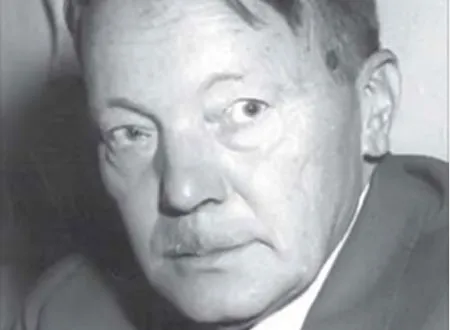
Lyricist
بيرم التونسي
1893–1961
Bayram al-Tunisi lifted Egyptian colloquial poetry from the street to the summit of art song. Born in Alexandria to a family of Tunisian origin, he made his name with zajal — vernacular verse of scalding wit — and his satires of the palace and the British occupation cost him nearly two decades of exile in Tunisia and France. Back in Egypt, he formed with composer Zakariyya Ahmad one of the great partnerships in Arabic music, writing for Umm Kulthum the wartime masterpieces "Ana Fi Intizarak" (1943) and "Ghanni Li Shwayya" (1945), which she performed in the film Sallama, and later "Houwa Sahih El-Hawa Ghallab" (1960). His signature is the dignity of everyday speech: the patience, irony and tenderness of ordinary Egyptians rendered without a trace of condescension, in lines so idiomatic they feel overheard rather than written. He died in 1961, honored at last by the state that had once expelled him — the outsider whose Arabic became the very sound of Egypt.
1943 · Maqam Hijazkar
Ana Fi Entezarak (1943): full lyrics of Bayram al-Tunisi and Zakariyya Ahmad's vigil song — an absence counted second by second, with translation and notes.
1945 · Maqam Rast
Ghanni Li Shwayya (1945): full lyrics of Bayram al-Tunisi and Zakariyya Ahmad's ode to song itself, from the film Sallama — with translation and notes.
1955 · Maqam Shahnaz
Shams el-Aseel (1955): full lyrics & translation of Bayram al-Tunisi's Nile sunset idyll, set by Riad al-Sunbati in maqam Shahnaz for Umm Kulthum.
1960 · Maqam Saba
Howwa Sahih el-Hawa Ghallab (1960): full lyrics & translation of Bayram al-Tunisi's last song for Umm Kulthum — Zakariyya Ahmad's maqam Saba farewell.
History
Umm Kulthum made six musical films between 1936 and 1947, from Widad to Fatma. Why she went before the camera, the songs her films carried, and why she stopped.
History
The complete Umm Kulthum songs list, decade by decade from 1924 to 1973: every recorded song with its year, lyricist, and composer — nearly 320 works in all.